
History and models
Ford
Ford was founded in Detroit in 1903 by Henry Ford and changed the way cars are built: with the Model T and the moving assembly line, the car came within reach of the middle class. It has built cars in Europe since 1911, and in Spain it has run the Almussafes plant near Valencia, where the Fiesta was born, since 1976.
Here is its history year by year: the brand’s milestones, the evolution of its logo and the generations of every model Move has in its catalogue, with specs and maintenance plan.
How the Ford logo has changed
7 versions of the logo, from the first to today’s.
-
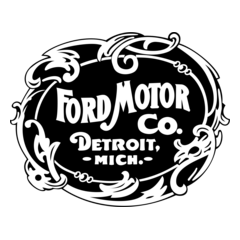 1903–1907
Ornate badge reading “Ford Motor Co. Detroit, Mich.”
-
 1909–1912
The name in flowing script, the signature still used today
-
 1912–1917
Winged triangle with the slogan “The Universal Car”
-
 1927–1957
The blue oval, introduced on the Model A
-
 1957–1961
A longer oval with pointed ends
-
 1976–2003
The blue oval is standardised across the range, with a raised look
-
 2003–today
“Centennial Blue Oval”: a brighter blue for the centenary
Ford models
Each with its generation timeline, specs and maintenance plan.
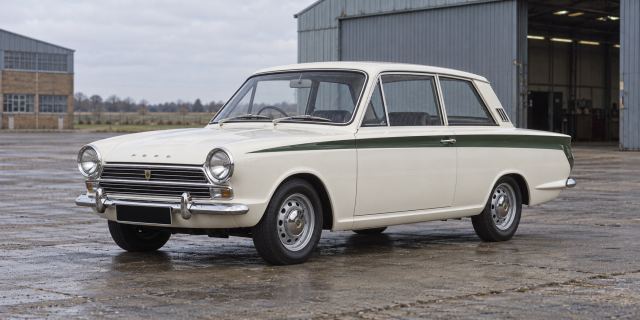
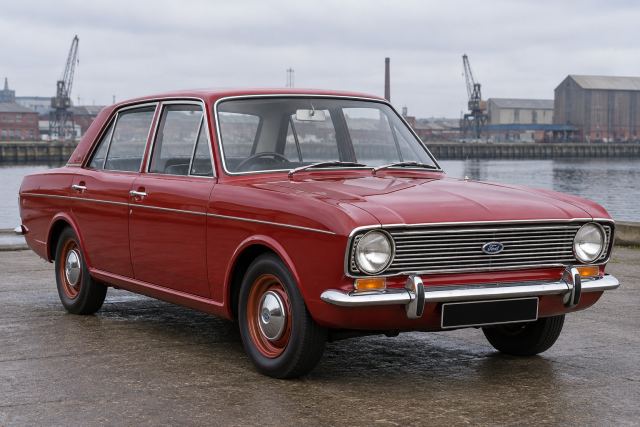
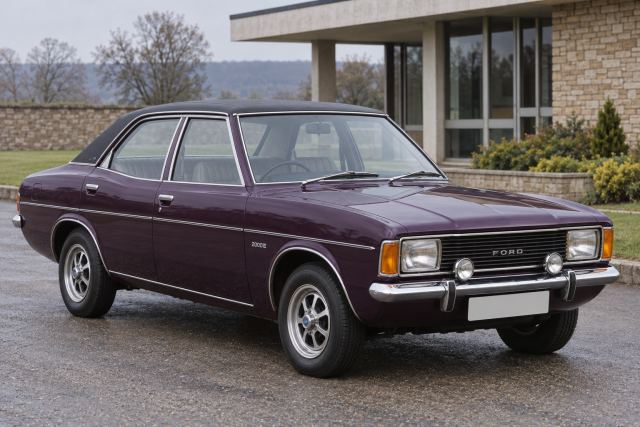
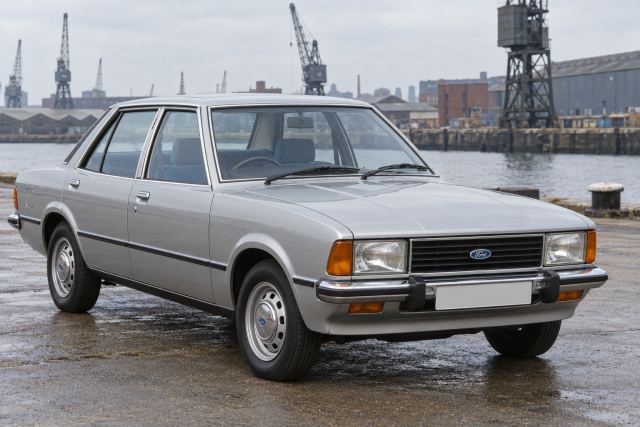 Cortina
1962–1982 · 5 generations · 19 versions
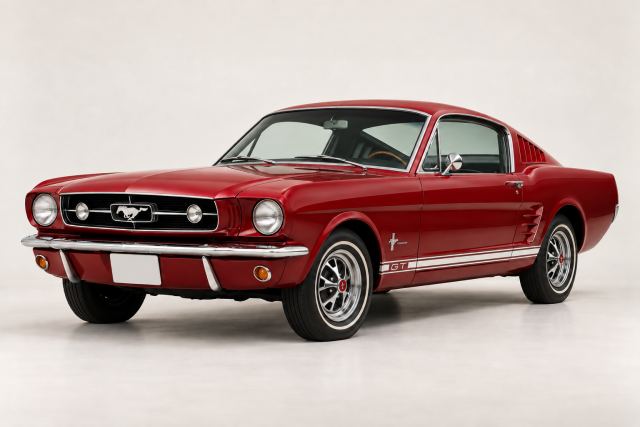 Mustang
1964–today · 14 generations · 229 versions
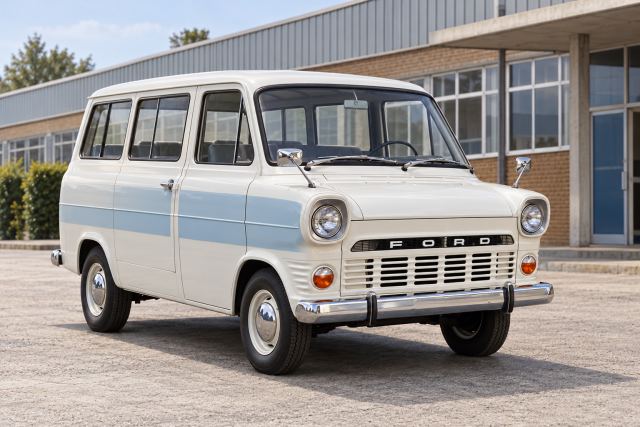
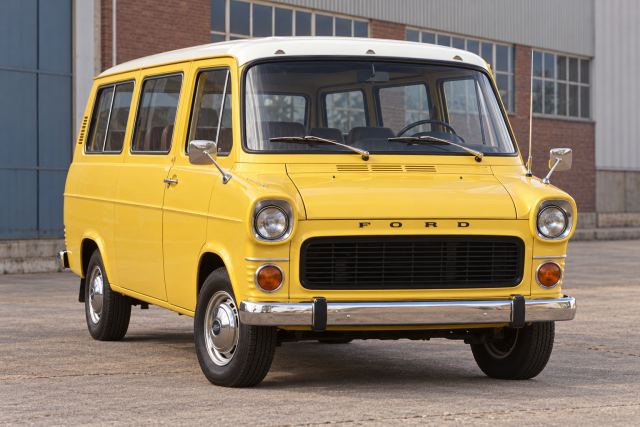
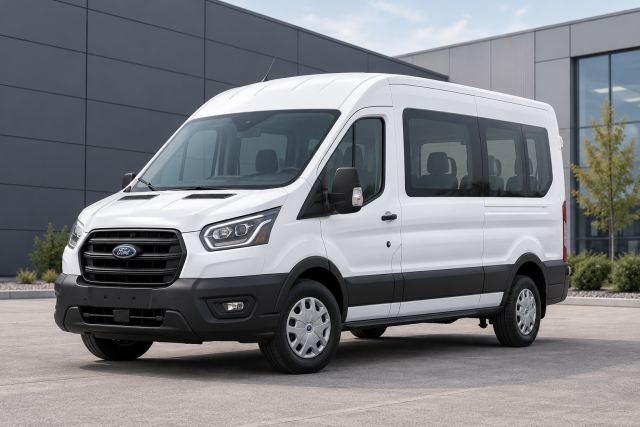
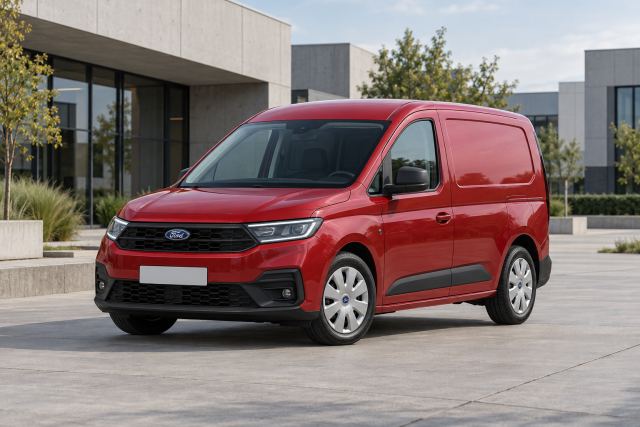
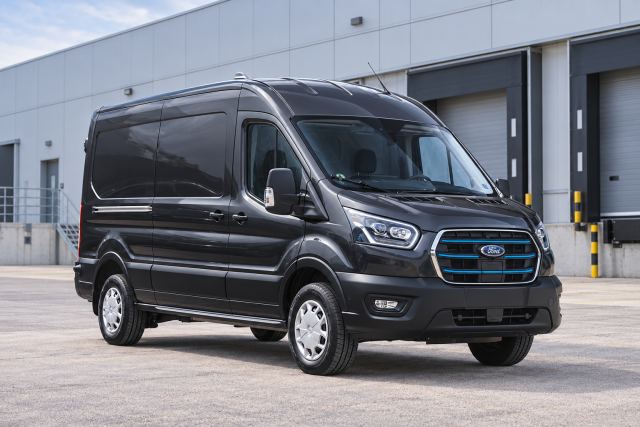 Transit
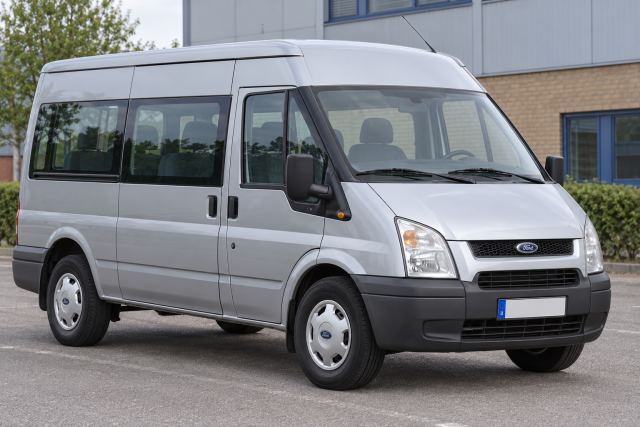
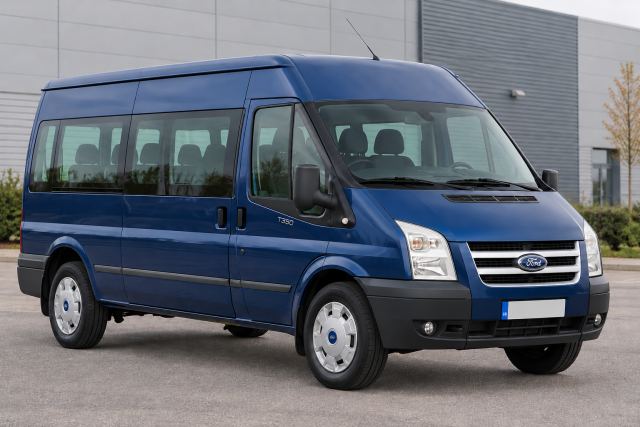
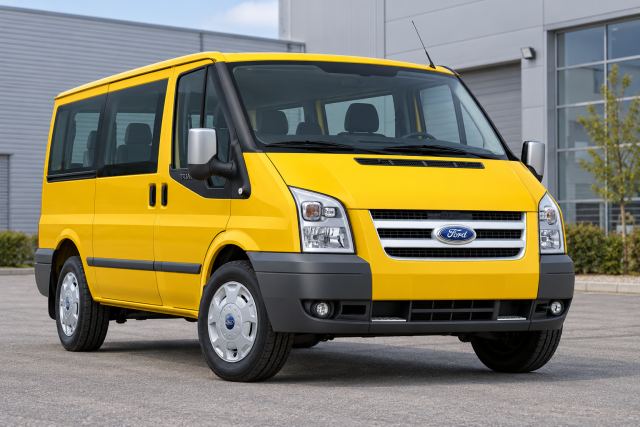
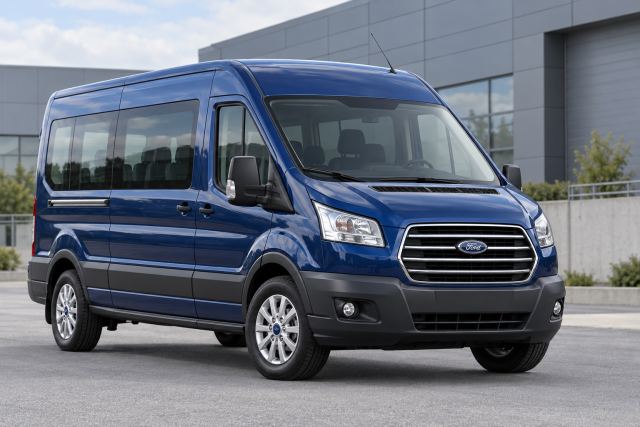
1965–today · 12 generations · 241 versions
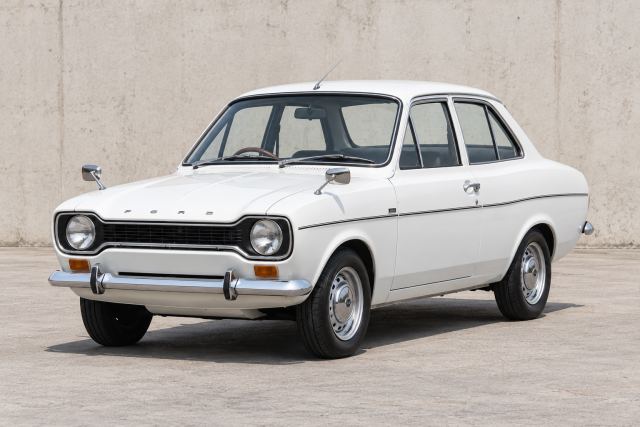
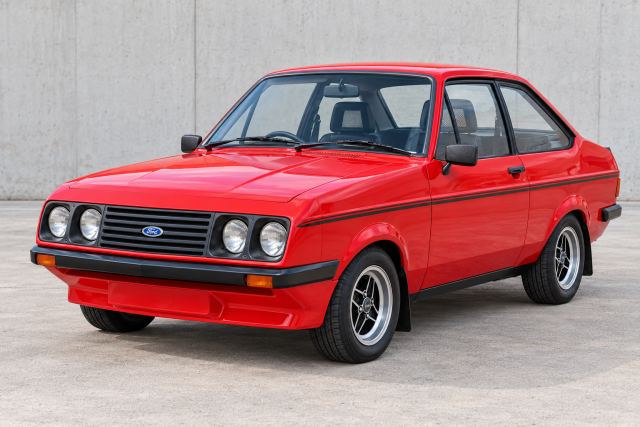
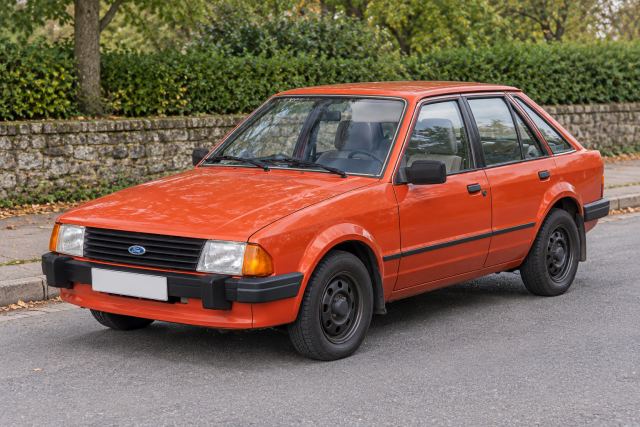
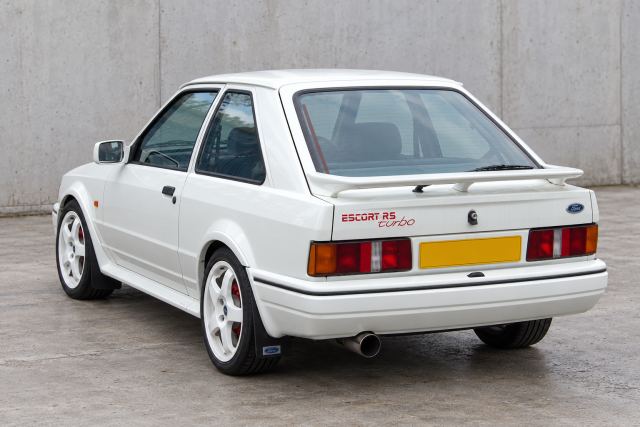
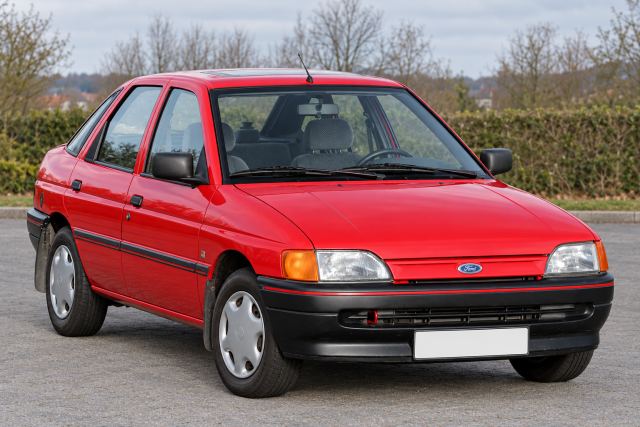
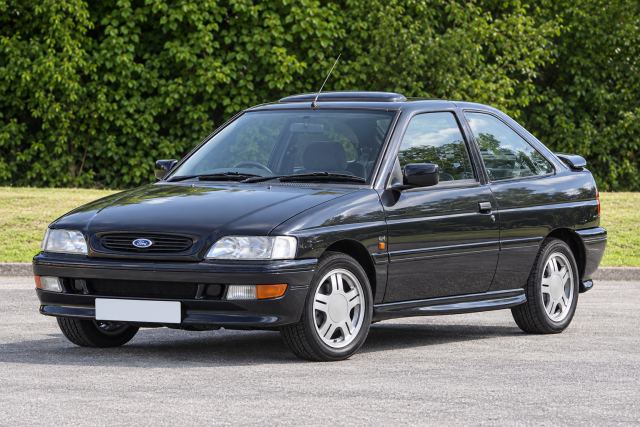 Escort
1968–2000 · 7 generations · 133 versions
Capri
1969–1986 · 4 generations · 32 versions
Granada
1972–1985 · 3 generations · 40 versions
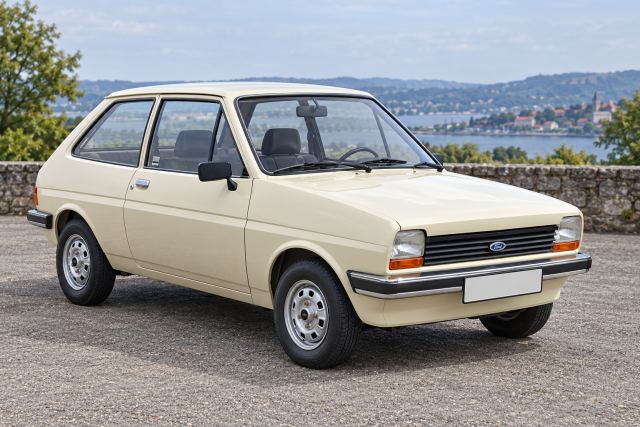
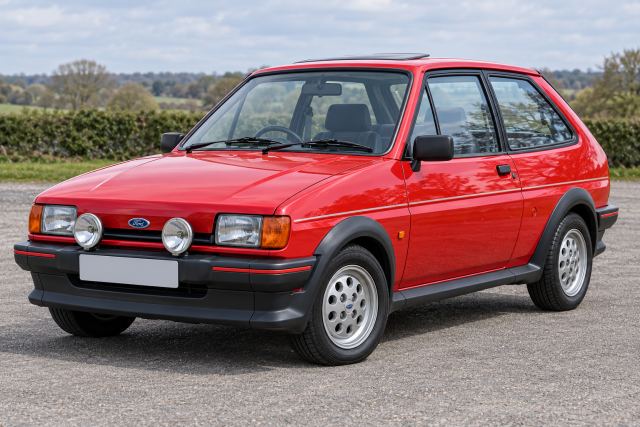
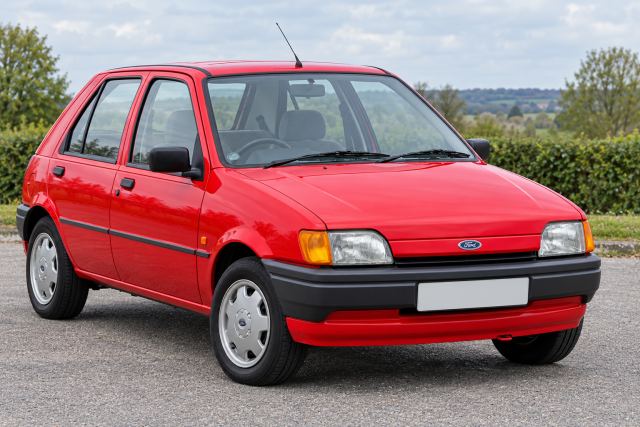
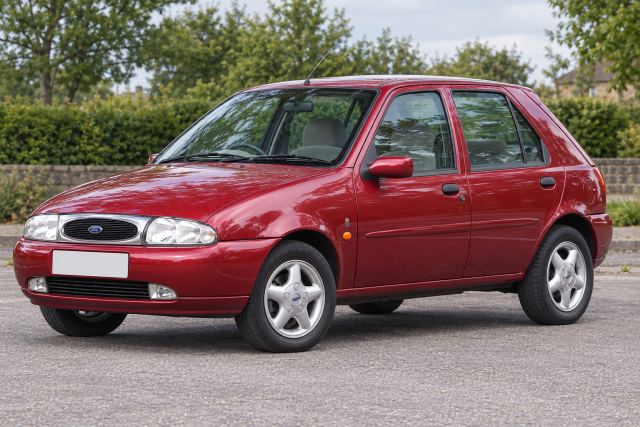
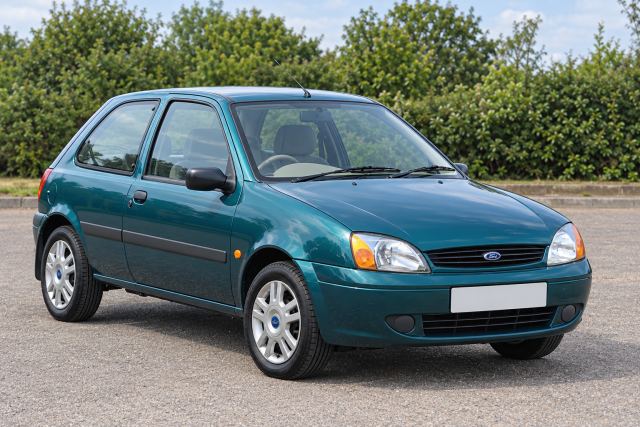
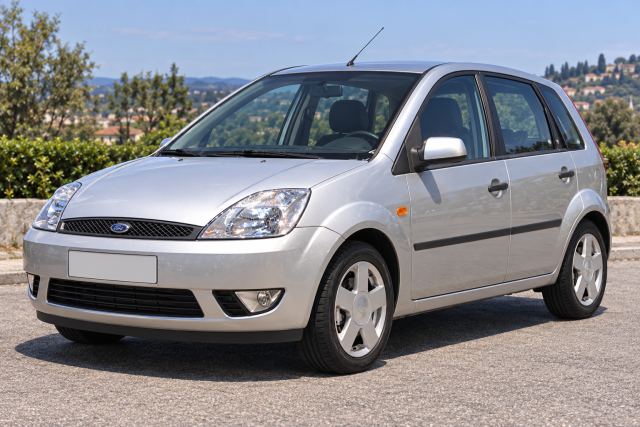
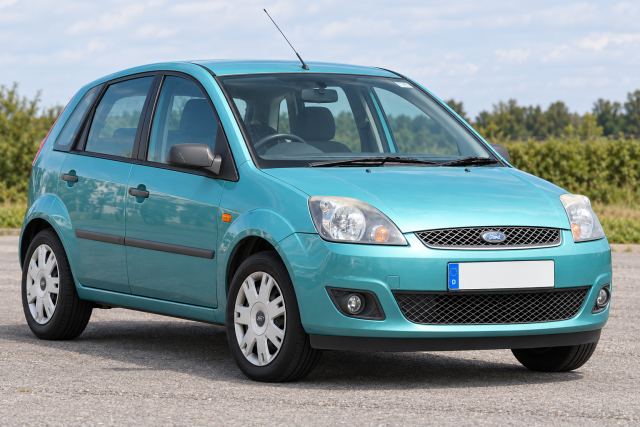
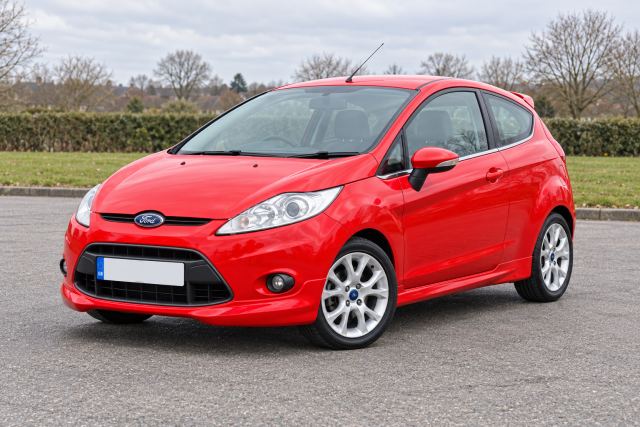
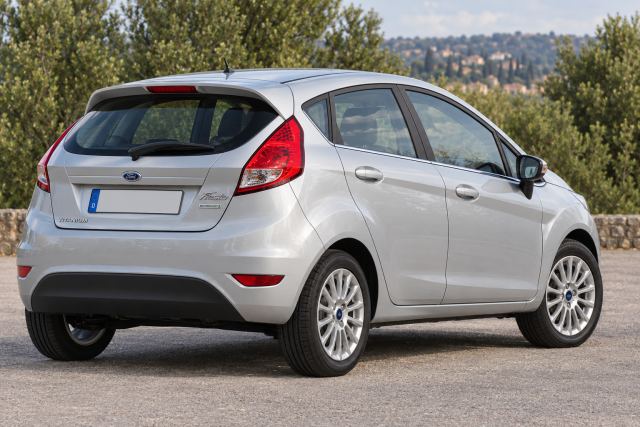
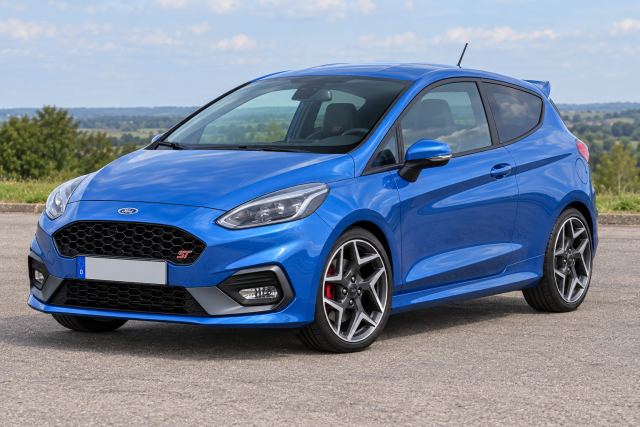
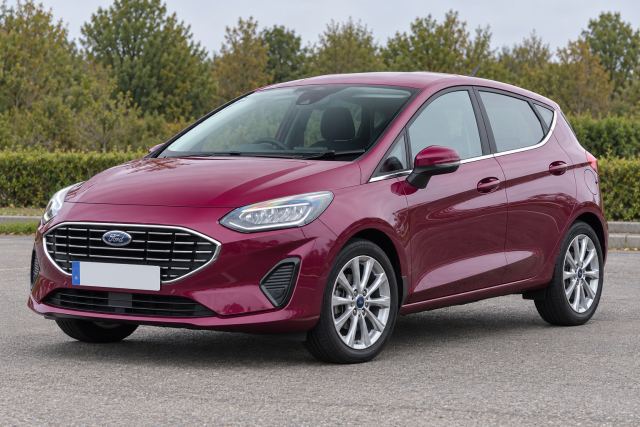 Fiesta
1976–2023 · 11 generations · 128 versions
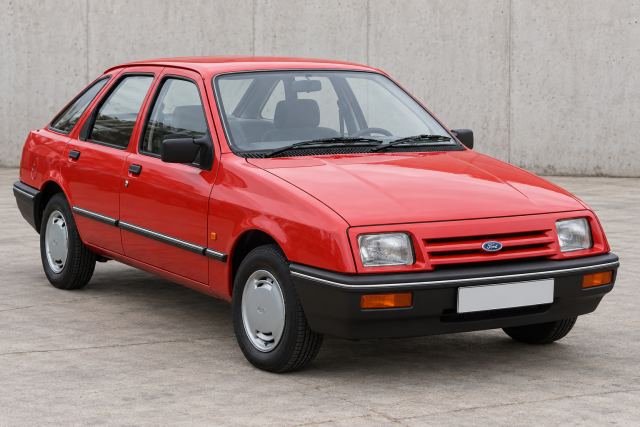
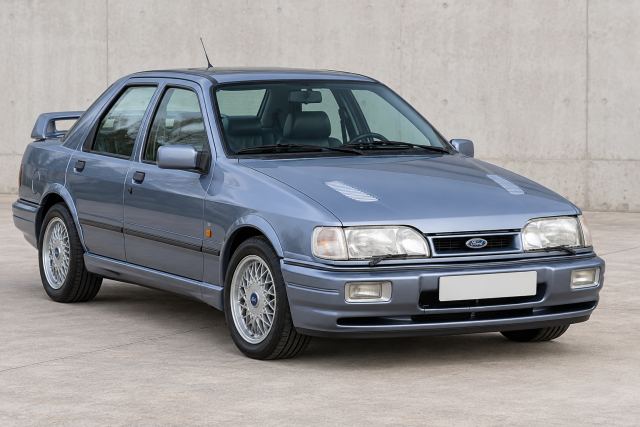 Sierra
1982–1993 · 2 generations · 32 versions
Scorpio
1985–1998 · 2 generations · 39 versions
Nugget
1986–today · 6 generations · 15 versions
Mondeo
1993–2022 · 8 generations · 133 versions
Galaxy
1995–2023 · 6 generations · 39 versions
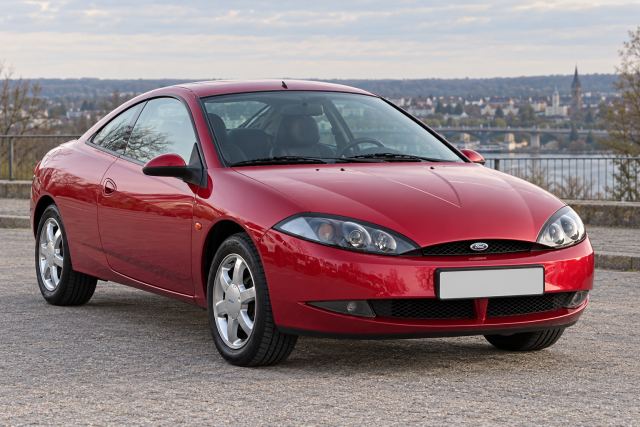 Cougar
1998–2001 · 1 generation · 3 versions
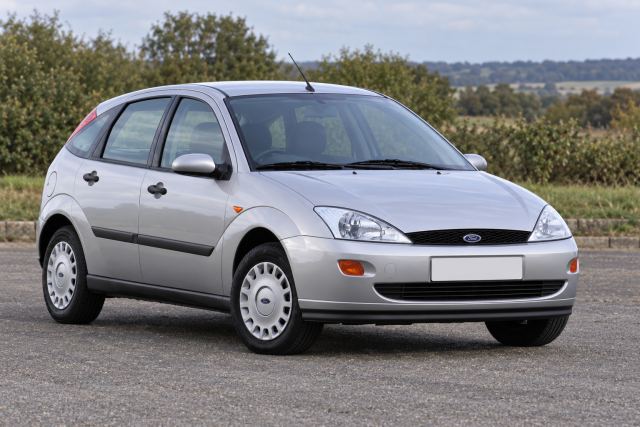
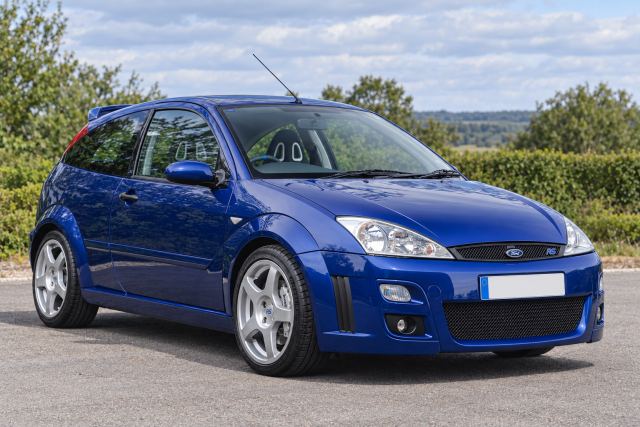
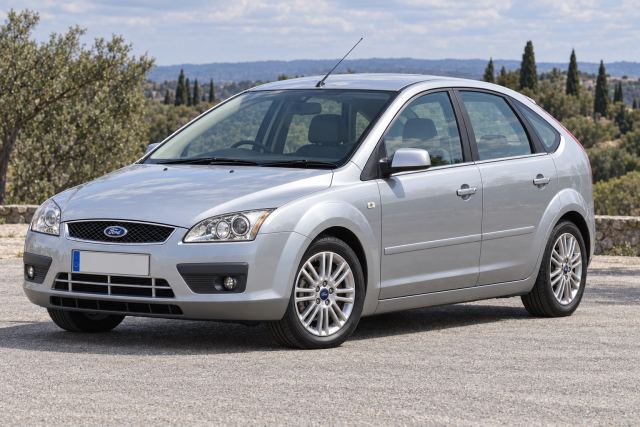
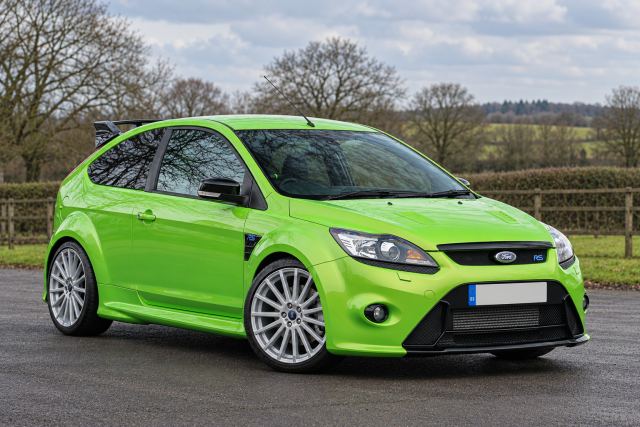
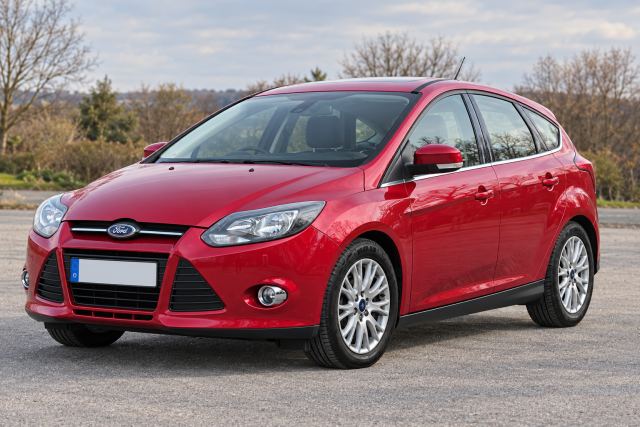
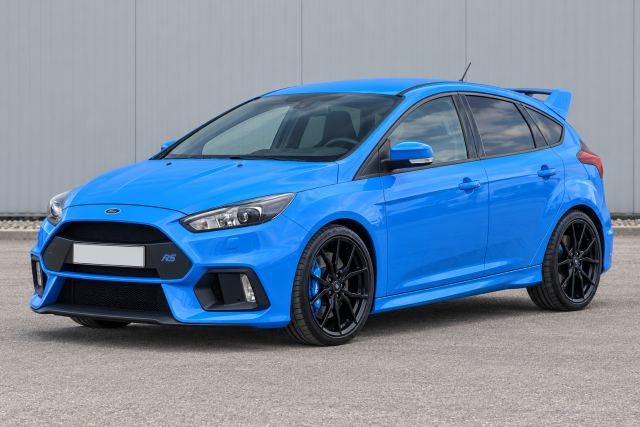
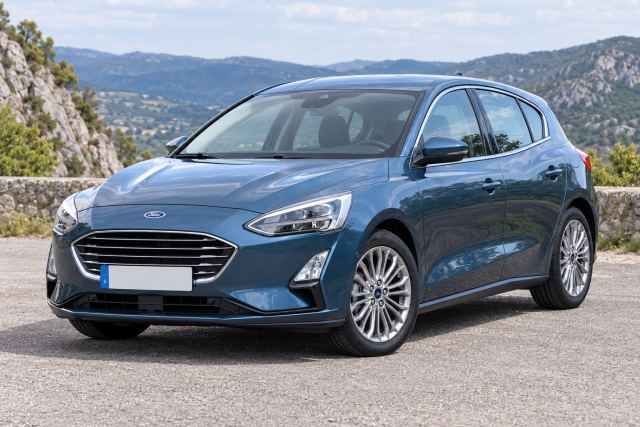
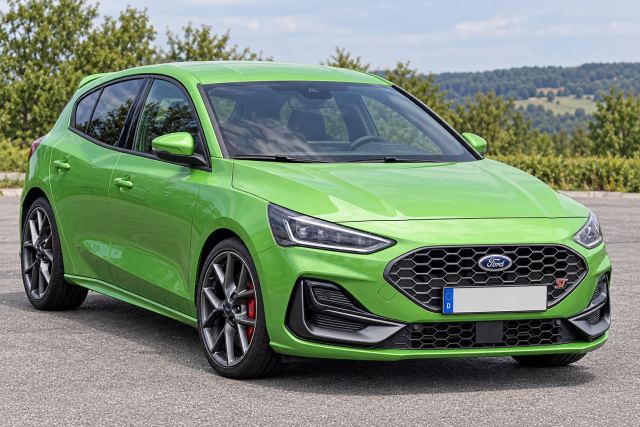 Focus
1998–2025 · 8 generations · 128 versions
Tourneo Connect
2002–today · 5 generations · 43 versions
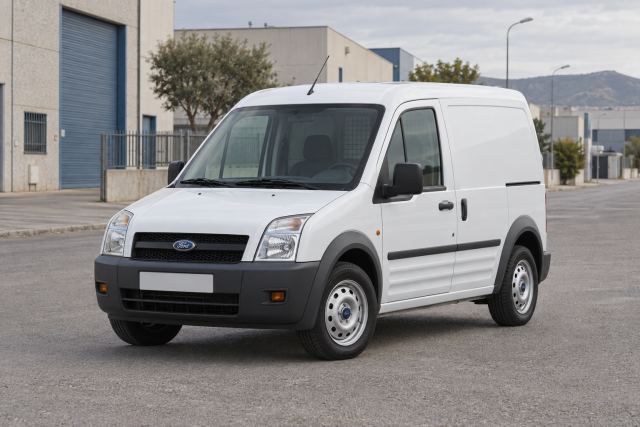
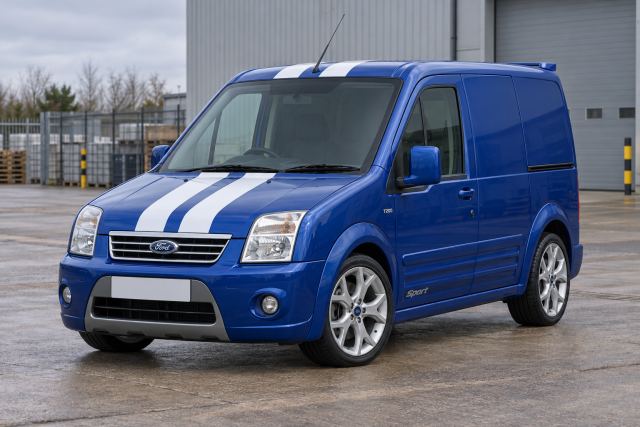
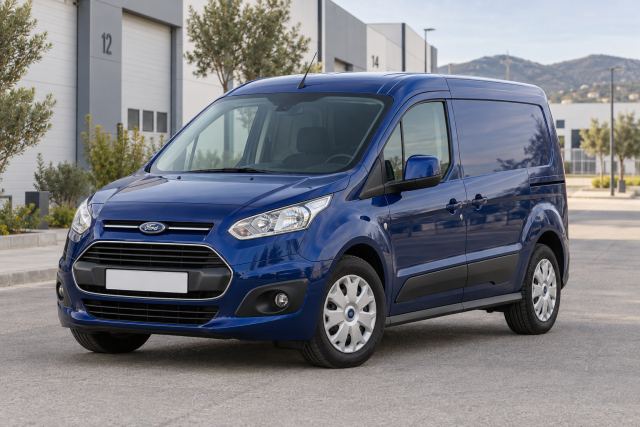
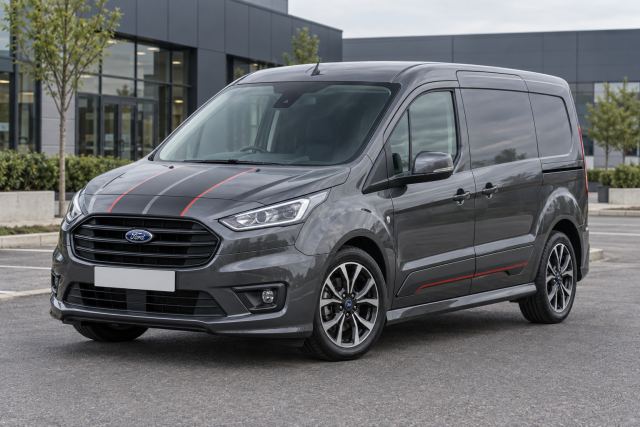 Transit Connect
2002–today · 5 generations · 37 versions
Tourneo Custom
2012–today · 3 generations · 21 versions
Transit Custom
2012–today · 3 generations · 38 versions
Ford history year by year
The brand’s milestones, its logo changes and the launch of every generation of its models.
The 1900s
Ford Motor Company is founded
Henry Ford founds the company in Detroit with $28,000 from twelve investors, among them the Dodge brothers. The first cars are put together by teams of two or three men at the Mack Avenue plant.
The Model T arrives
Regarded as the first car the middle class could afford, it stays in production until 1927 and reaches 15 million units. Its price falls from $780 in 1910 to $290 in 1924.
The 1910s
The moving assembly line
At the Highland Park plant in Michigan, cars now move along a line while workers fit the parts. Building a Model T drops from 12½ hours to 93 minutes by 1914.
The 1920s
Ford comes to Spain
Ford Motor Ibérica opens its premises in Cádiz, one of the first assembly operations set up in Spain by a foreign maker.
The Model A replaces the T
It is one of the first production cars with a safety-glass windscreen and the first to carry the blue oval on its radiator. Almost 4.9 million are built until 1932.
The 1930s
Cologne and Dagenham
Ford, which had been assembling cars at Trafford Park in Manchester since 1911, opens two large European plants: Cologne, Germany, in May and Dagenham, near London, in October.
A V8 for everyone
The Model 18 introduces the “flathead” V8, the first affordable V8, with the block and all eight cylinders cast in one piece. Ford builds it in the US until 1953.
Ford-Werke and the war
The German subsidiary is renamed Ford-Werke and during the Second World War builds military vehicles for Nazi Germany, partly with forced labour. In the US, Ford mass-produces the B-24 bomber at Willow Run.
The 1950s
The 1960s
The Cortina
Built mainly at Dagenham, the Cortina was Britain’s best-selling car in most years between 1972 and 1981.
The Mustang
Unveiled at the New York World’s Fair, it sells over 400,000 units in its first year and gives its name to a new class, the “pony car”. It is Ford’s longest continuously produced nameplate.
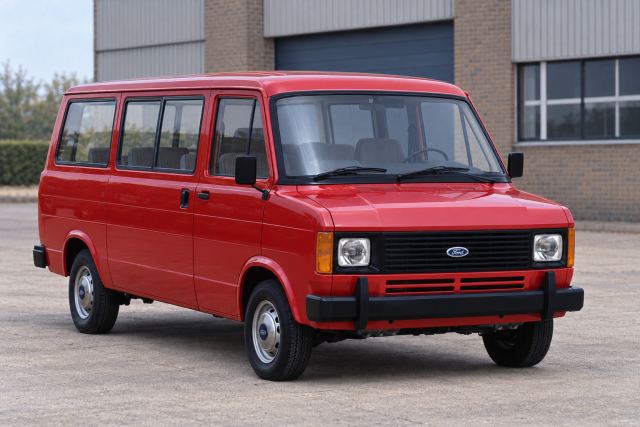
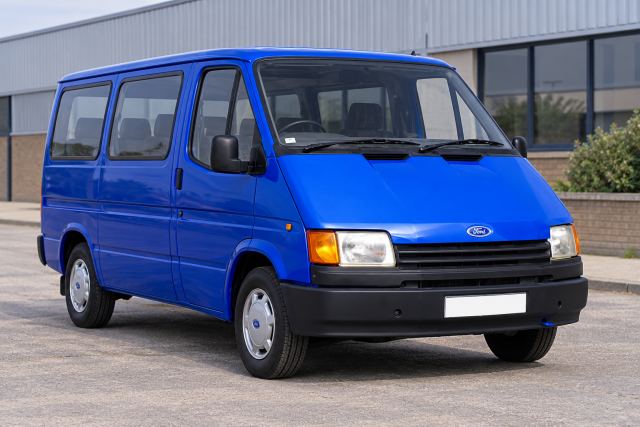
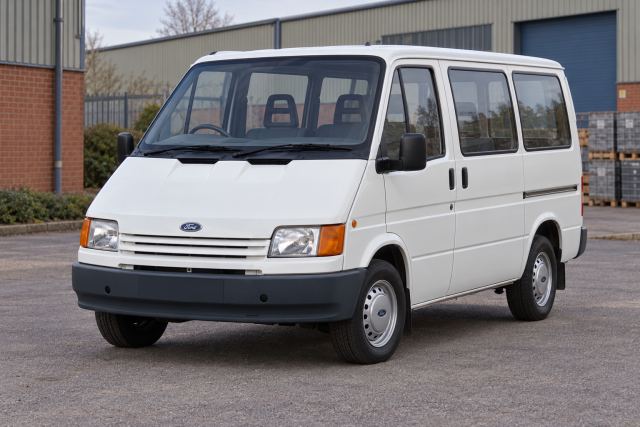
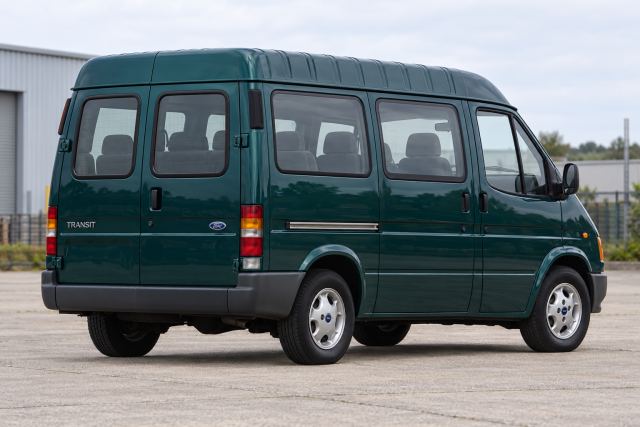
The Transit van
Built at first in Langley, England, it is the first model shared by the British and German subsidiaries. For decades it has been Europe’s best-selling light commercial vehicle.
One-two-three at Le Mans
After Enzo Ferrari broke off talks to sell his company to Ford in 1963, GT40s take the first three places at the 24 Hours of Le Mans. Ford wins the race four years running, until 1969.
Ford of Europe and the Escort
The British and German subsidiaries merge into Ford of Europe, based in Cologne. At the end of the year the Escort arrives; it brings Ford the 1979 World Rally Championship for manufacturers and stays in European production until 2002.
The 1970s
The Fiesta
Ford enters the supermini class with the Fiesta, its first car with a transverse engine. It is unveiled at Le Mans in June and built at Almussafes, Cologne and Dagenham at the same time.
Almussafes opens
The Almussafes plant near Valencia, built for the Fiesta, is inaugurated; the first one had left the line on 18 October. It has since built the Escort, Ka, Focus, Mondeo, Galaxy and Kuga, among others.
The 1980s
The Sierra
It replaces the Cortina and Taunus with an aerodynamic body (drag coefficient 0.34, against its predecessors’ 0.45) that proves controversial at first. The RS Cosworth follows in 1986.
The 1990s
The Mondeo, a “world car”
Developed jointly with Ford in the US, it replaces the Sierra and is European Car of the Year for 1994. European production ended at Almussafes in March 2022.
The Focus
It replaces the Escort and wins European Car of the Year for 1999. Almussafes built it from 1998 to 2011.
The 2000s
A hundred years and a new oval
Ford turns one hundred and introduces a brighter version of the blue oval, the “Centennial Blue”.
Through the crisis without a bailout
Ford struggles in the 2008–2010 car industry crisis but, unlike General Motors and Chrysler, does not need a government bailout. In late 2006 it had secured around $25 billion of credit, pledging almost all its assets as collateral.
The 2010s
Mustang Mach-E
Ford unveils an electric SUV that takes the Mustang’s name and badge. It goes on sale in late 2020 and is built in Cuautitlán, Mexico.
The 2020s
Farewell to the Fiesta
The last Fiesta leaves the Cologne plant after 47 years and more than 22 million sold. Since 2024 Cologne has built the electric Explorer.
End of the Focus
The last Focus leaves the Saarlouis plant in Germany. The same month, Ford opens its new world headquarters in Dearborn.
Ford and Geely at Almussafes
Ford and China’s Geely announce a joint venture for Almussafes, which has built only the Kuga since 2024. The plant is due to reach five models, including two Geely SUVs.